











Every year, one of the most remarkable natural phenomena on Earth takes place beneath the surface of the Pacific Ocean and the Gulf of California. This event is known as Marine Migration.
In the waters surrounding Baja California Sur, vast numbers of marine species move across thousands of kilometers in search of breeding grounds, food sources, and suitable environmental conditions.
Unlike land-based movements, Marine Migration occurs silently beneath the waves, yet it plays a crucial role in maintaining the balance of ocean ecosystems.
This hidden oceanic rhythm connects distant marine habitats and supports some of the largest and most complex life forms on Earth.
What Is Marine Migration?
Marine Migration refers to the seasonal or cyclical movement of marine species across ocean environments. These movements are not random; they are driven by survival needs such as reproduction, feeding, and temperature regulation.
In Baja California Sur, Marine Migration is a predictable annual cycle. The region acts as a central meeting point where species from different parts of the Pacific Ocean converge.
Ocean currents, water temperature shifts, and food availability all guide Marine Migration patterns. As a result, the ocean functions like a vast interconnected system, with Baja California Sur serving as one of its most important ecological hubs.
Gray Whales and Marine Migration
One of the most powerful examples of Marine Migration is the journey of gray whales.
Each year, gray whales travel from the cold waters of Alaska to the warm coastal lagoons of Baja California Sur. This journey spans more than 8,000 kilometers, making it one of the longest Marine Migration routes in the world.
The purpose of this migration is reproduction. Female whales give birth in the sheltered lagoons, where warm water and calm conditions increase calf survival rates.
These lagoons become critical zones in Marine Migration, offering protection and stability during the most vulnerable stage of life.
Other Species Involved in Marine Migration
While gray whales are the most famous, Marine Migration in this region involves many species:
Humpback and Blue Whales
Humpback whales travel through Baja California Sur during seasonal movements, while blue whales arrive to feed on dense krill populations. Both species rely on Marine Migration routes to access essential feeding and breeding areas.
Dolphins
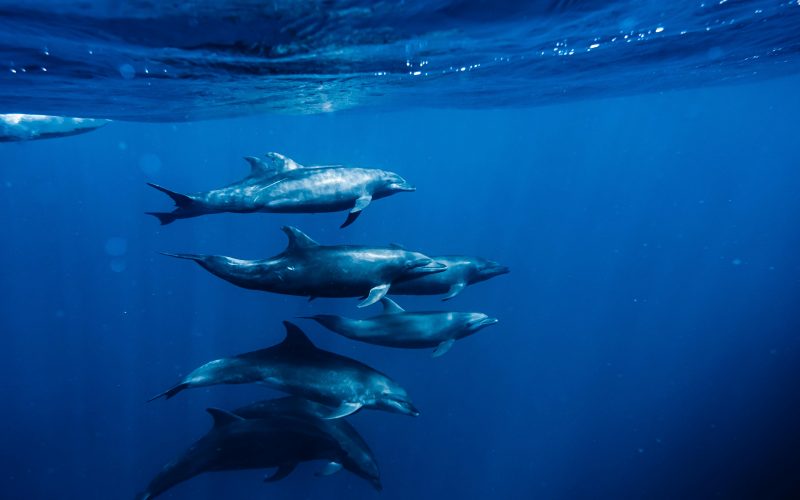
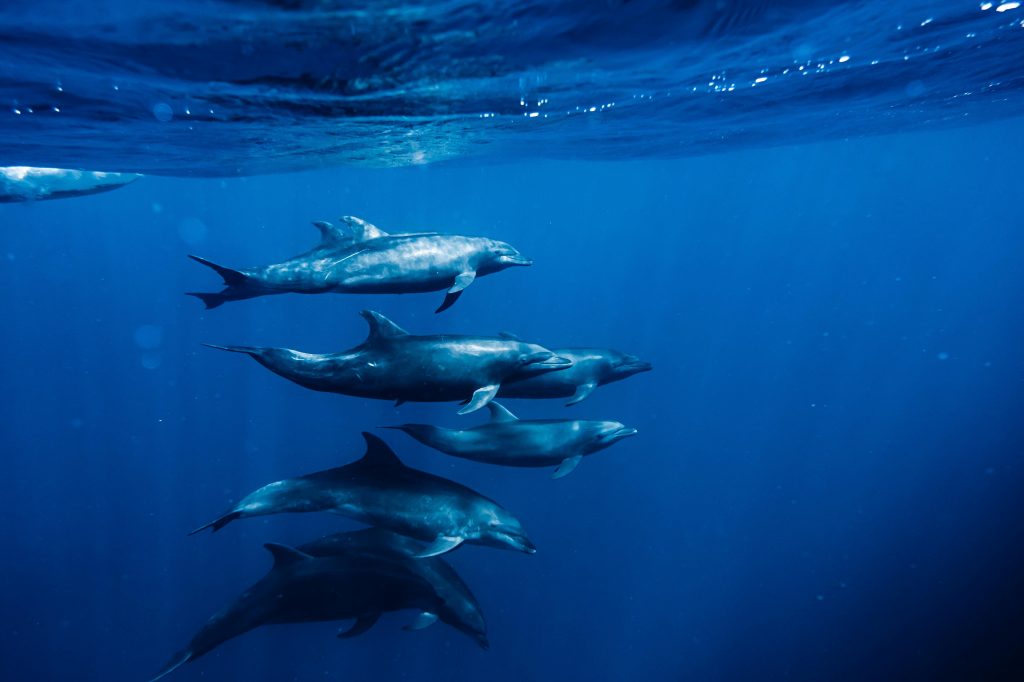
Dolphin pods follow fish schools across shifting ocean currents. Their movement patterns are highly dynamic but still form part of broader Marine Migration systems.
Sea Turtles
Sea turtles migrate across entire ocean basins and return to Baja California Sur beaches for nesting. This long-distance Marine Migration cycle is essential for species survival.
Sharks and Fish
Whale sharks, hammerhead sharks, tuna, sardines, and anchovies all participate in large-scale Marine Migration driven by temperature and food availability.
Why Baja California Sur Is Central to Marine Migration
The region of Baja California Sur plays a key role in global Marine Migration due to three main factors:
1. Ocean Current Interaction
The meeting of cold and warm currents creates nutrient-rich waters, supporting plankton growth—the foundation of Marine Migration food chains.
2. Protected Lagoons
Shallow coastal lagoons provide safe breeding and nursery grounds, especially important for whales during Marine Migration.
3. Seasonal Stability
Stable winter conditions make the region a reliable destination for Marine Migration cycles year after year.
Ecological Importance of Marine Migration
Marine Migration is not just a movement of animals—it is a fundamental process that sustains ocean life.
Biodiversity Maintenance
Marine Migration prevents ecosystem imbalance by distributing species across different habitats.
Nutrient Cycling
Large marine animals contribute to nutrient distribution through feeding and movement, strengthening ocean productivity.
Ecosystem Connectivity
Marine Migration links distant marine ecosystems, ensuring genetic diversity and ecological resilience.
Human Impact and Marine Migration Tourism
Baja California Sur is one of the world’s leading destinations for observing Marine Migration, especially whale watching.
Tourists can witness Marine Migration up close under regulated conditions, creating rare opportunities for direct interaction with ocean giants.
To protect Marine Migration pathways, strict regulations are enforced:
- Limited boat access in breeding areas
- Minimum distance rules for marine wildlife
- Seasonal protection zones
- Marine conservation areas
These measures ensure that tourism does not disrupt Marine Migration cycles.
Threats to Marine Migration
Despite its scale and resilience, Marine Migration faces growing threats:
Climate Change
Rising ocean temperatures are altering migration timing and routes, affecting long-established Marine Migration patterns.
Overfishing
Reduced fish populations disrupt food chains that many migratory species depend on.
Ocean Pollution
Plastic waste and chemical pollutants threaten marine animals during long-distance Marine Migration journeys.
Conservation of Marine Migration
Efforts are underway to protect Marine Migration in Baja California Sur:
- Expansion of marine protected areas
- Scientific monitoring of species movement
- Sustainable fishing regulations
- Public education and ecotourism management
These actions aim to preserve Marine Migration as a long-term ecological process.
Conclusion: The Living System of Marine Migration
Marine Migration in Baja California Sur represents one of the most important natural systems on Earth. It connects oceans, sustains biodiversity, and supports life at every level of the marine ecosystem.
From the long journey of gray whales to the continuous movement of fish and turtles, Marine Migration is a reminder that the ocean is not static—it is constantly in motion.
Understanding and protecting Marine Migration is essential to preserving the future of global marine life.
You may also read:Exploring Saguaro National Park in Tucson, a Desert Treasure