



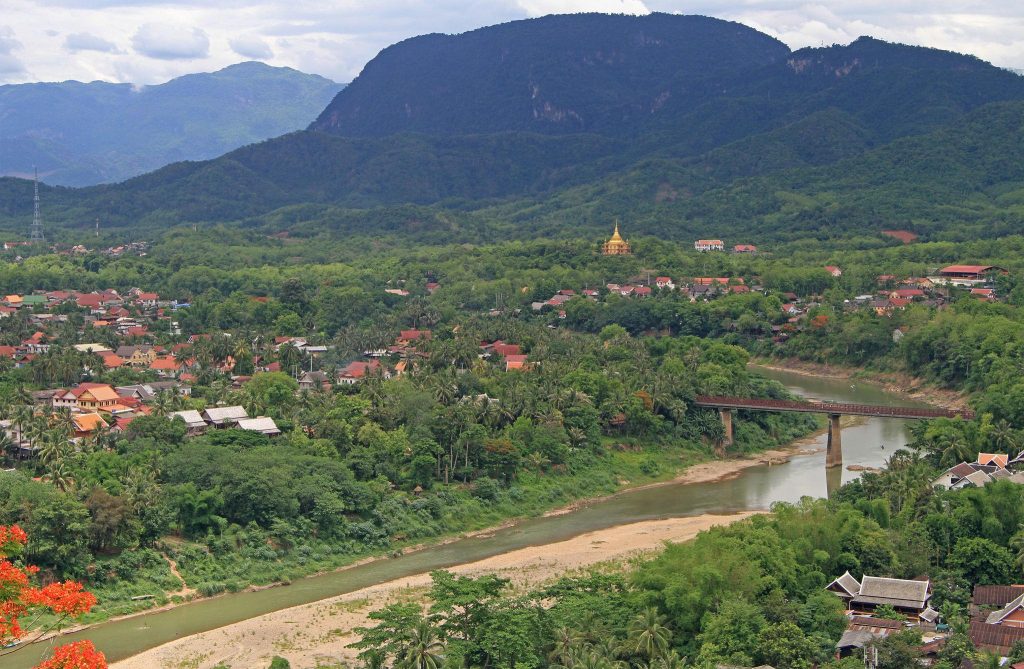
Nestled in northern Laos, Luang Prabang is a place where modern chaos fades away. Sitting between the Mekong and Nam Khan rivers, this UNESCO-listed town blends Buddhist spirituality, French colonial architecture, and untouched natural beauty.
This Luang Prabang Travel Guide is not just about where to go—it is about how to experience a destination that moves at its own peaceful rhythm.
A Town That Breathes Slowly
Walking through Luang Prabang feels like stepping into a quiet dream. There are no rushing crowds, no loud traffic, just soft footsteps and the sound of temple bells in the distance.
Monks in saffron robes walk through misty streets at sunrise, while locals prepare offerings of sticky rice. Life here follows tradition rather than clocks.
The town center is compact, making it easy to explore on foot or by bicycle. Every corner feels intentional—wooden houses, golden temples, and riverside cafés all exist in calm harmony.
Sacred Temples and Living Heritage
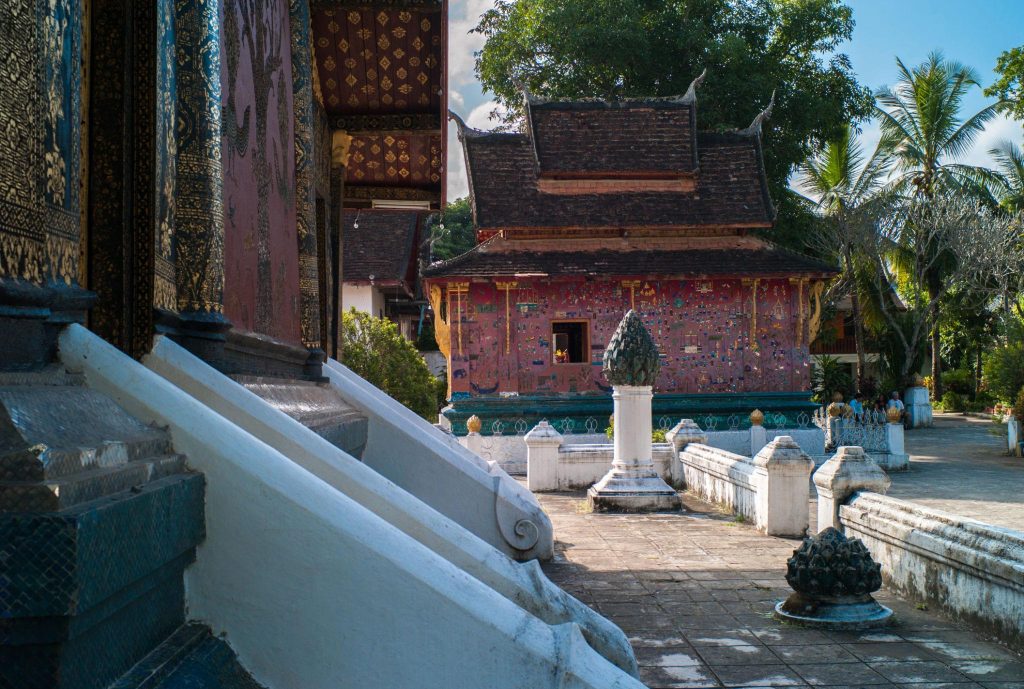
Temples are the spiritual heartbeat of the city. Over thirty Buddhist temples are spread throughout the town, each telling its own quiet story.
One of the most iconic is Wat Xieng Thong, known for its elegant rooflines and intricate mosaics. It represents classical Lao art at its finest.
Other temples like Wat Mai and Wat Visoun offer peaceful spaces for reflection, meditation, and photography.
In this Luang Prabang Travel Guide, temples are not just tourist stops—they are living centers of faith where daily rituals continue unchanged for centuries.
The Sacred Alms Ceremony
One of the most unforgettable experiences here is the early morning alms giving ritual, known as “Tak Bat.”
Before sunrise, rows of monks walk silently through the streets, receiving offerings from local residents. The atmosphere is calm, respectful, and deeply spiritual.
Visitors can observe, but must remain quiet and maintain distance. This is not a performance—it is a sacred tradition rooted in centuries of Buddhist practice.
Watching this moment unfold under soft golden light is often described as the emotional highlight of any Luang Prabang Travel Guide experience.
Nature Beyond the Old Town
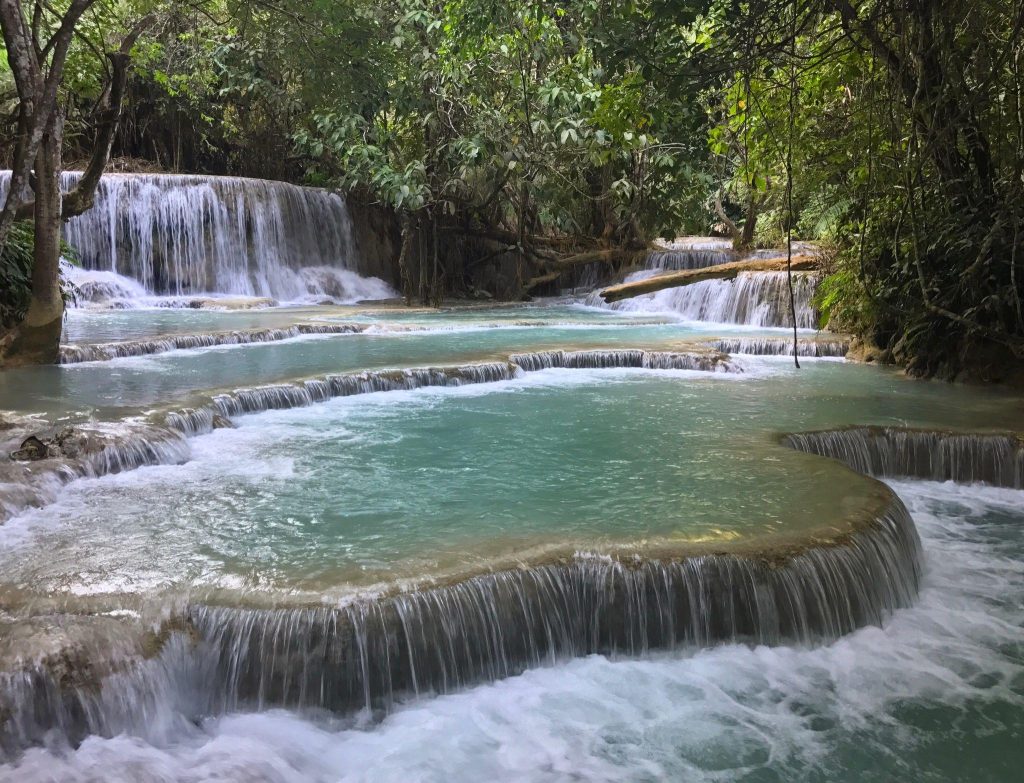
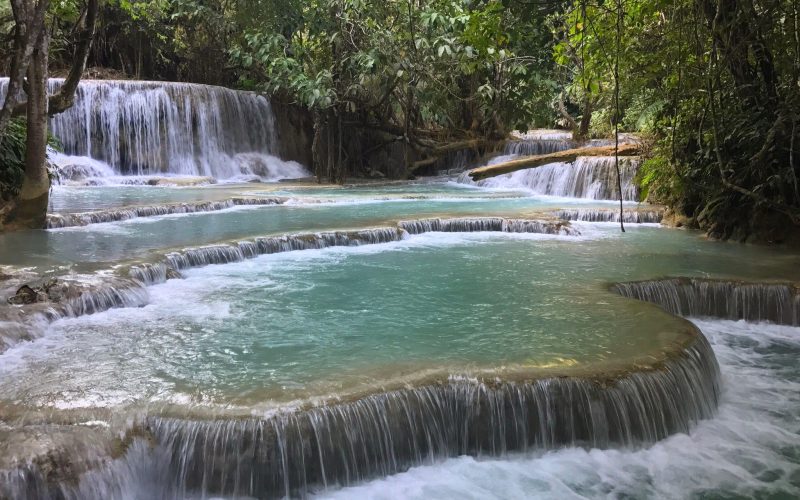
Just outside the city lies one of Laos’ most famous natural wonders—Kuang Si Falls.
This multi-layered waterfall cascades into turquoise pools surrounded by jungle. Visitors can swim, relax, or hike to higher viewpoints overlooking the forest.
Nearby, a bear rescue center helps protect endangered Asiatic black bears, adding a meaningful conservation aspect to the visit.
The surrounding countryside is equally beautiful, filled with rice fields, buffalo grazing in open land, and quiet rural villages.
Life Along the Mekong
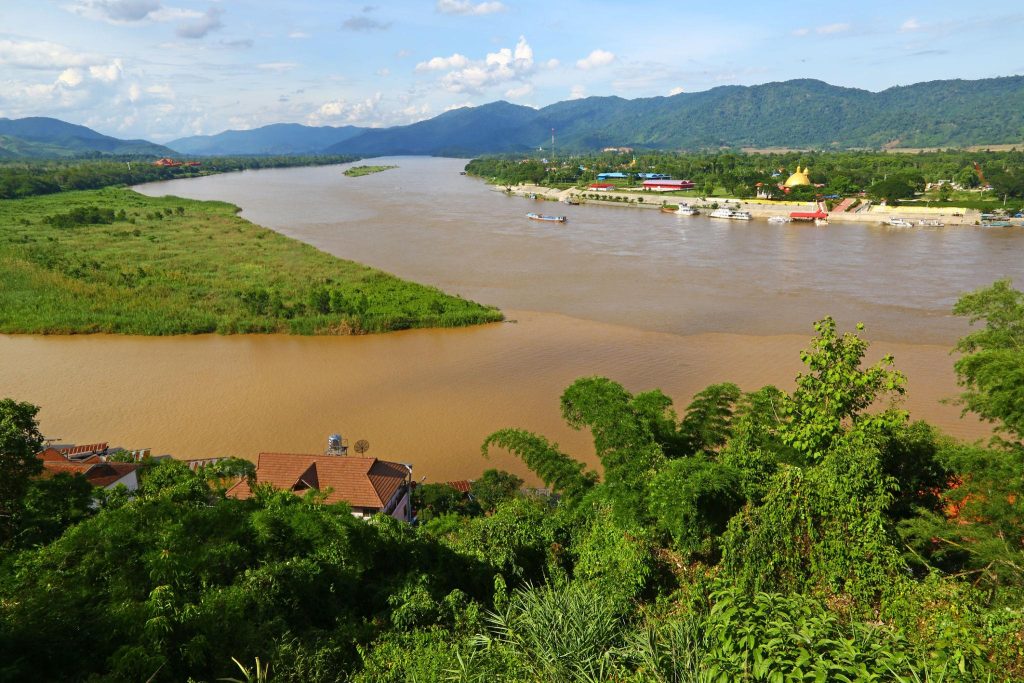
The mighty Mekong River shapes daily life in Luang Prabang. At sunset, the river becomes a golden mirror reflecting the sky.
Boat cruises along the Mekong offer a peaceful way to experience local life—children playing by the shore, fishermen casting nets, and distant mountains fading into mist.
Many travelers choose to sit by the riverbank cafés in the evening, watching the sun disappear slowly behind the hills.
French Charm Meets Lao Tradition
One of the most unique features of Luang Prabang is its architectural blend. French colonial buildings sit beside traditional Lao wooden houses, creating a visually rich and harmonious streetscape.
Boutique hotels, art galleries, and cafés occupy restored colonial villas, while local homes continue to preserve traditional craftsmanship.
The night market transforms the main street into a colorful walkway filled with handmade textiles, lanterns, and local street food.
This balance of old and new gives the city a timeless yet living atmosphere.
Flavors of Northern Laos
Food in Luang Prabang is simple, fresh, and deeply rooted in local culture.
Sticky rice is the staple of almost every meal. It is often paired with grilled fish, spicy dipping sauces, and fresh herbs.
Traditional dishes like Laap (minced meat salad) and Or Lam (herb stew) reflect bold flavors shaped by forest ingredients and local spices.
Street food stalls offer noodle soups, tropical fruits, and coconut desserts, all at affordable prices.
Eating here is not just nourishment—it is part of the cultural experience.
The Art of Slow Travel
Unlike many tourist destinations, Luang Prabang does not demand your attention—it gently invites it.
There is no pressure to rush from attraction to attraction. Instead, the city encourages stillness.
You might spend an afternoon sitting in a riverside café, biking through rice fields, or simply watching monks pass by in silence.
This is the essence of a true Luang Prabang Travel Guide experience: not how much you see, but how deeply you feel.