








When people think about tropical islands, places like Bali or the Maldives often come to mind first. But hidden off the coast of East Africa lies a destination that feels both exotic and deeply cultural — Zanzibar.
Known for its turquoise water, spice farms, historic architecture, and peaceful beaches, Zanzibar offers much more than a typical island vacation. It is a place where African, Arab, Indian, and European influences blend together naturally. Travelers can spend the morning walking through centuries-old alleyways and the afternoon swimming in clear warm ocean water.
For visitors looking for a destination that combines relaxation, history, food, and adventure, Zanzibar is one of the most unforgettable places in the world.
Why Zanzibar Feels Different
Unlike many modern resort islands, Zanzibar still feels authentic and connected to its local culture. Daily life moves slowly here. Fishermen sail traditional wooden boats across the sea while locals gather at markets filled with spices, seafood, and tropical fruits.
The island belongs to Tanzania and sits in the Indian Ocean, around 25 miles from the mainland. Although tourism has grown quickly in recent years, Zanzibar has managed to keep much of its original charm.
One of the first things travelers notice is the atmosphere. The air smells of cloves and cinnamon, music drifts from cafes near the beach, and the sunsets seem almost unreal. Life feels calmer here.
Zanzibar is especially attractive for travelers who want beautiful scenery without the overwhelming crowds found in some famous beach destinations.
Stone Town: The Historic Heart of Zanzibar
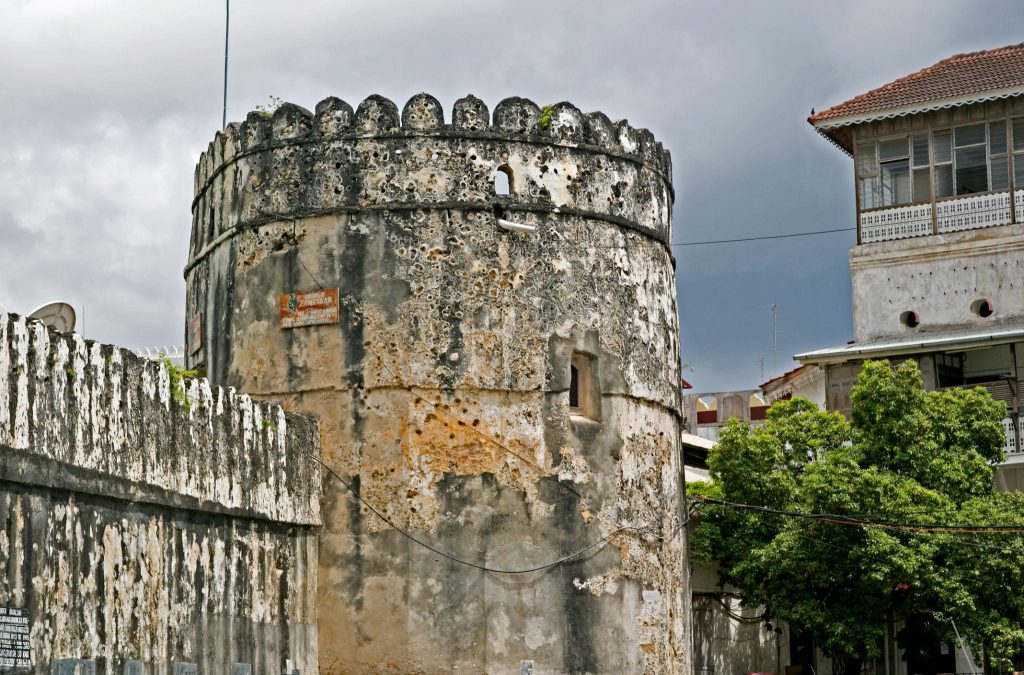
Walking Through Stone Town
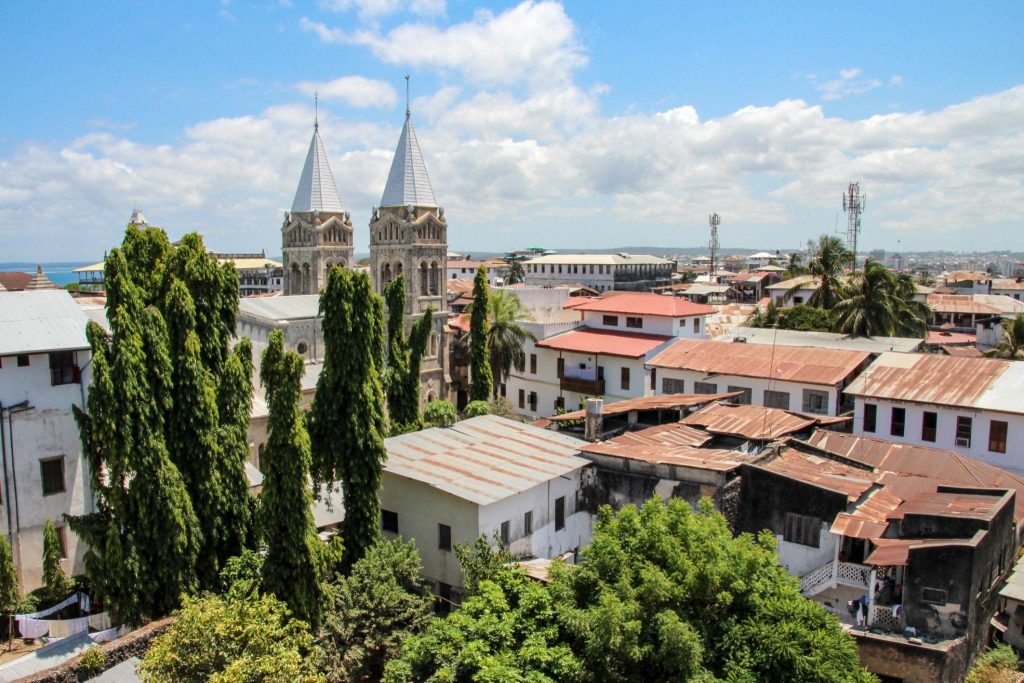
The cultural center of Zanzibar is Stone Town, a UNESCO World Heritage Site filled with narrow streets, carved wooden doors, mosques, and old coral-stone buildings.
Walking through Stone Town feels like stepping into another century. The streets are too narrow for most cars, so people explore on foot. Around every corner, there are hidden cafes, small shops, local markets, and rooftop restaurants overlooking the sea.
The architecture tells the story of Zanzibar’s complicated history. Arab traders, Persian merchants, Indian businessmen, and European colonial powers all left their mark on the city.
Visitors can explore places like:
- The Old Fort
- The House of Wonders
- Freddie Mercury’s childhood home
- Darajani Market
- Traditional spice shops
Stone Town is also one of the best places to experience local food culture.
Zanzibar Food: A Blend of Cultures
Food in Zanzibar reflects the island’s multicultural history. Local dishes combine African ingredients with Indian spices and Arabic cooking traditions.
Some popular foods include:
- Grilled octopus
- Coconut curry
- Zanzibar pizza
- Pilau rice
- Fresh mango and passion fruit
- Seafood skewers at night markets
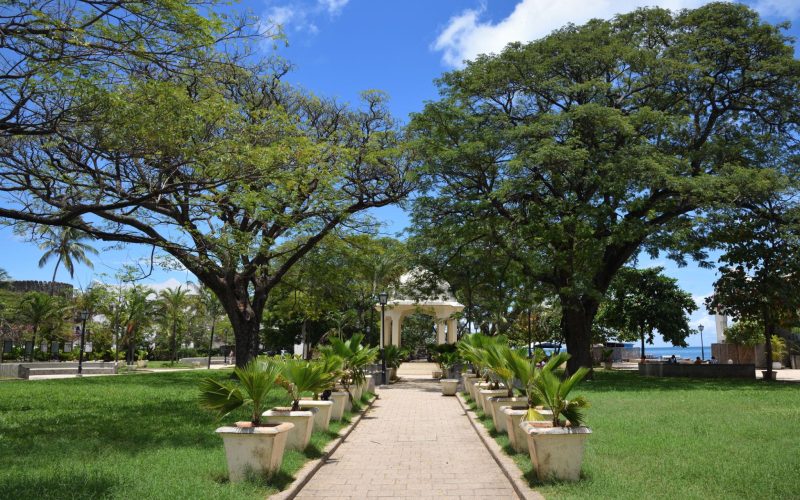
One of the most famous places to eat is the Forodhani Gardens night market near the waterfront. Every evening, food stalls fill the area with the smell of grilled seafood and spices.
For many travelers, the food becomes one of the strongest memories of Zanzibar.
The Beaches of Zanzibar
Nungwi and Kendwa
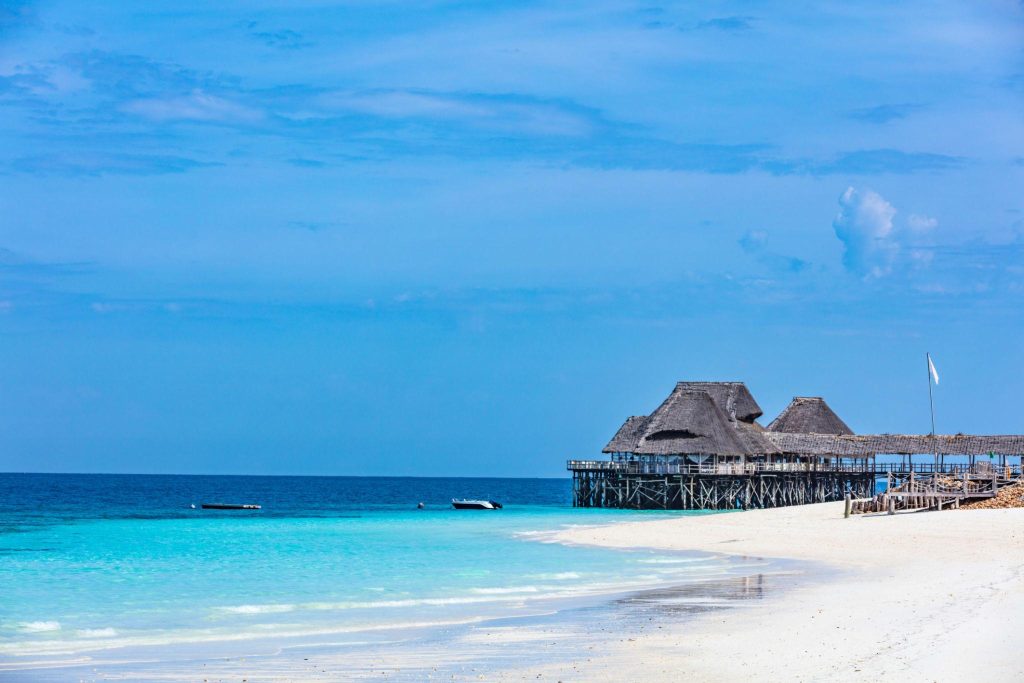
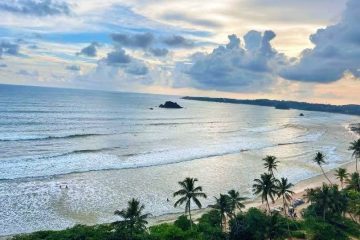
Northern Zanzibar is famous for its beaches, especially around Nungwi and Kendwa.
These beaches are known for soft white sand and incredibly blue water. Unlike some other parts of the island, the tides here remain suitable for swimming most of the day.
Travelers often spend time:
- Snorkeling in coral reefs
- Taking sunset boat trips
- Diving with tropical fish
- Relaxing in beachfront cafes
- Watching traditional dhow boats sail across the horizon
The atmosphere is peaceful rather than overly commercial, which many visitors appreciate.
Paje: A Paradise for Kitesurfing
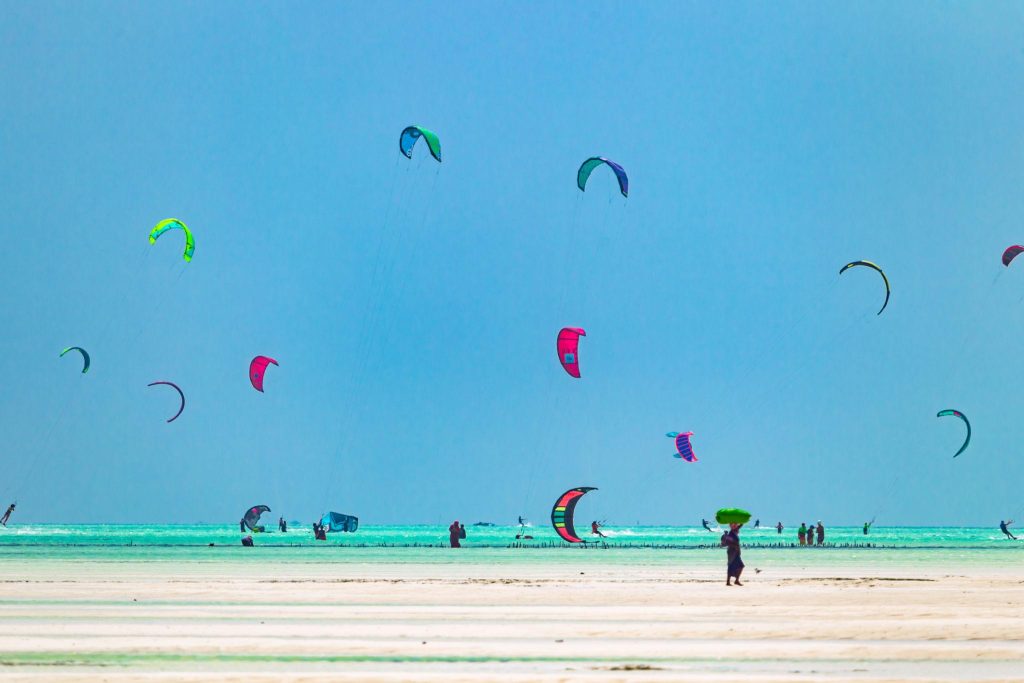
On the southeast coast, Paje has become popular among younger travelers and kitesurfers.
Strong winds and shallow water create ideal conditions for water sports. At the same time, Paje still feels laid-back and relaxed compared to larger resort destinations.
Beachfront cafes and small eco-hotels give the area a friendly and social atmosphere.
Spice Farms and Local Culture
Zanzibar is often called the “Spice Island” because it has produced cloves, nutmeg, cinnamon, and black pepper for centuries.
A spice farm tour allows visitors to see how these spices grow naturally while learning about the island’s trading history. Guides often let visitors smell and taste fresh spices directly from the plants.
Many travelers are surprised by how important agriculture remains to local communities. Beyond the beaches, Zanzibar is still home to villages, farms, fishing communities, and traditional ways of life.
Meeting local people often becomes one of the most meaningful parts of the trip.
Best Time to Visit Zanzibar
Zanzibar has warm weather throughout the year, but the best months to visit are usually:
- June to October
- December to February
During these periods, the weather is sunny, humid, and ideal for beach activities.
The rainy seasons generally happen in:
- March to May
- November
Travelers looking for fewer crowds may still enjoy visiting during shoulder seasons when hotel prices are lower.
What Makes Zanzibar Special
Many tropical destinations offer beautiful beaches. What makes Zanzibar different is the combination of natural beauty and cultural depth.
In one single day, travelers can:
- Explore ancient streets
- Eat seafood at local markets
- Visit spice plantations
- Swim in clear ocean water
- Watch traditional sailing boats at sunset
The island never feels one-dimensional.
Zanzibar is also a destination that encourages slower travel. Instead of rushing between attractions, people often spend time simply enjoying the atmosphere — listening to ocean waves, talking with locals, or watching life unfold along the coastline.
That slower rhythm becomes part of the experience.
Zanzibar is more than a beach destination. It is a place shaped by centuries of trade, migration, culture, and ocean life.
From the historic charm of Stone Town to the peaceful beaches of Nungwi and the spice-filled countryside, Zanzibar offers travelers a rare balance between adventure and relaxation.
For anyone searching for a destination that feels beautiful, cultural, and genuinely memorable, Zanzibar may be one of the best islands to experience in the Indian Ocean.