

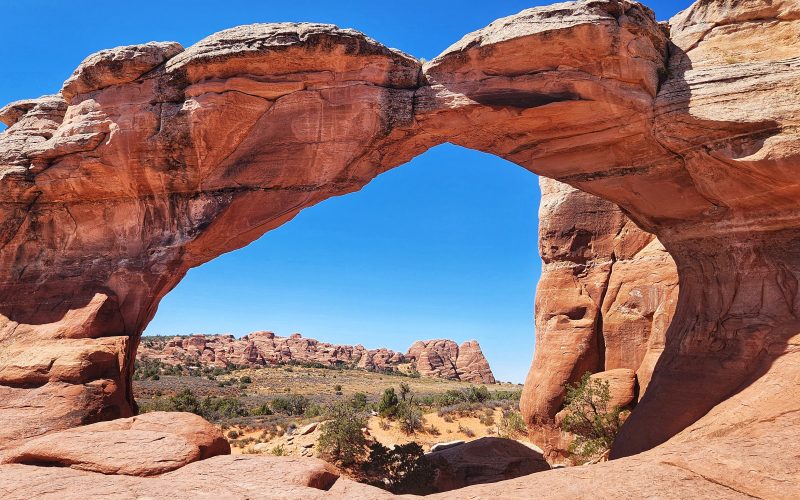
arches national park is located in eastern Utah, United States. It is known for its concentration of natural sandstone arches, rock formations, and desert landscapes shaped over millions of years.
At first glance, it looks like a desert filled with unusual stone structures. But a closer look reveals something more complex. The land does not feel static. It feels like a system still undergoing transformation.
The formations inside arches national park are not random. They are the result of long-term erosion, pressure, and geological change. Wind and water continue to shape the landscape even today.
This is why many visitors describe the park not only as a desert, but as a place made of living stone.
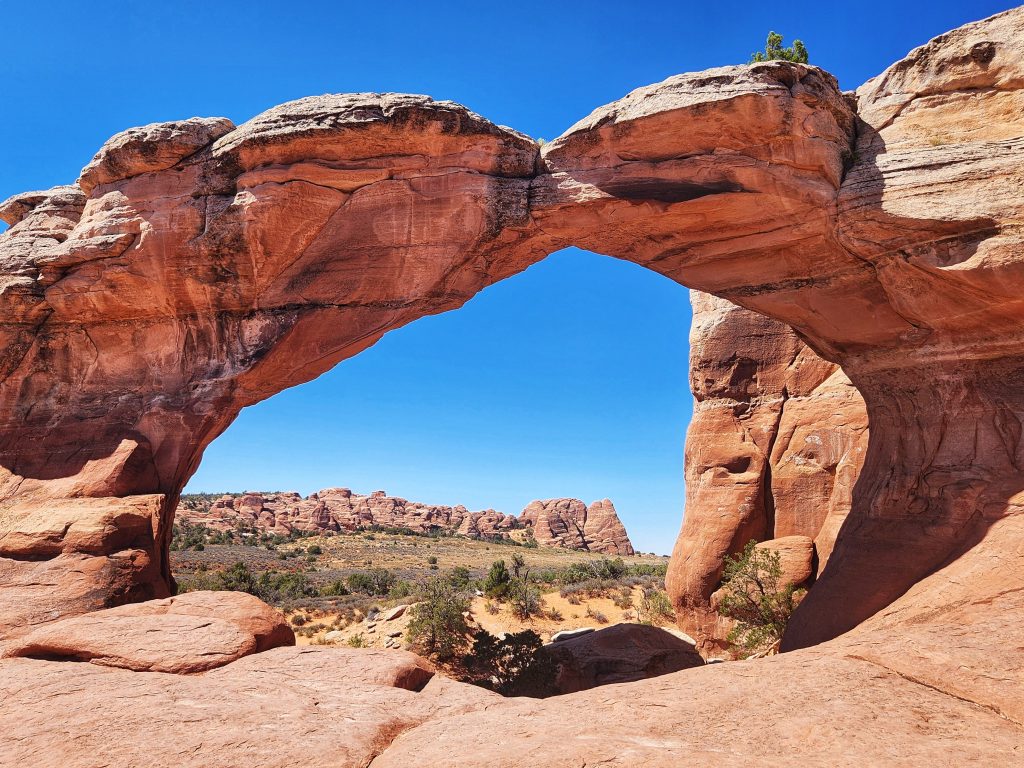
The Geological Identity of Arches National Park
The foundation of arches national park is Entrada sandstone, formed roughly 150 million years ago during the Jurassic period. Over time, layers of rock were deposited, compressed, and later exposed through erosion.
What remains today is a fragile surface shaped by natural forces. Rainwater seeps into cracks. Ice expands and widens fractures. Wind gradually removes smaller particles.
These slow processes are what create arches, fins, and towers.
Nothing in arches national park is permanent. Even the most stable-looking structures are part of a continuous cycle of formation and collapse.
The park contains more than 2,000 documented natural arches, each at a different stage of development or erosion.
Delicate Arch and the Idea of Natural Formation
One of the most recognized formations in arches national park is Delicate Arch.
It stands independently on the edge of a sandstone basin without surrounding support. Its shape is the result of long-term erosion that removed weaker rock layers while leaving behind a curved structure.
What makes Delicate Arch significant is not only its appearance, but its condition. It is still changing, though the process is too slow to observe directly.
Over time, arches expand, thin, and eventually collapse. This cycle is natural and ongoing throughout the park.
Delicate Arch represents a temporary stage in geological time rather than a permanent structure.
Landscape Arch and Structural Fragility
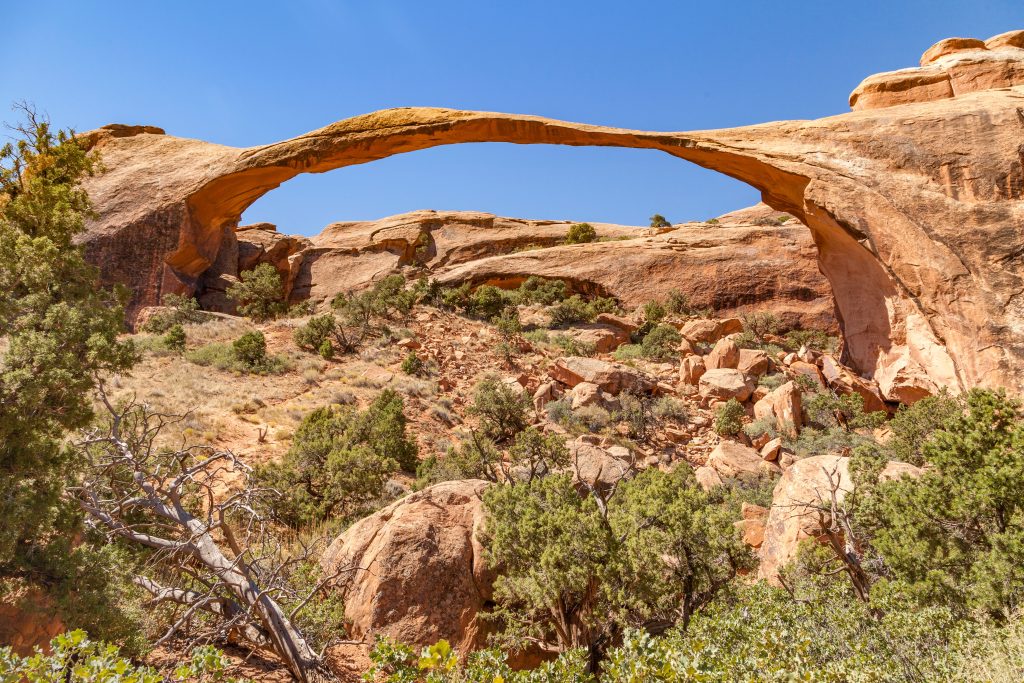
Another major formation in arches national park is Landscape Arch, one of the longest natural arches in the world.
Despite its size, it is extremely thin in the middle. This thinness is the result of continuous erosion along weaker rock layers.
Geologists consider it a fragile structure that will eventually collapse, although predicting when is impossible.
Landscape Arch demonstrates an important principle of arches national park: large scale does not equal permanence.
Even massive formations are part of an unstable, evolving system.
Devils Garden and Complex Rock Systems
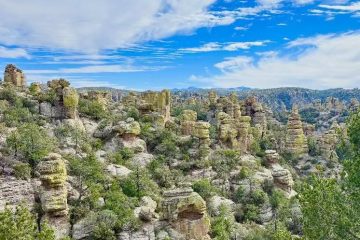
Devils Garden is a region within arches national park that contains a high density of rock formations, including fins, spires, and arches.
These structures form when erosion cuts deep fractures into sandstone layers. Over time, these fractures widen, creating isolated walls of rock called fins. Further erosion eventually creates openings that become arches.
This process explains why the park contains such a high concentration of natural formations in one area.
Devils Garden represents the transitional phase of geological development inside arches national park, where rock is constantly reshaped into new structures.
The Role of Time in Arches National Park
Time is the most important force in arches national park.
Unlike human-scale environments, changes here occur over thousands or millions of years. However, the direction of change is constant.
Rock is never still. It is either forming, weakening, or breaking down.
This slow movement creates a landscape that feels dynamic even when it appears motionless.
Because of this, arches national park is often described as a “living stone desert.” The phrase does not imply biological life, but rather continuous transformatio
Light, Weather, and Perception
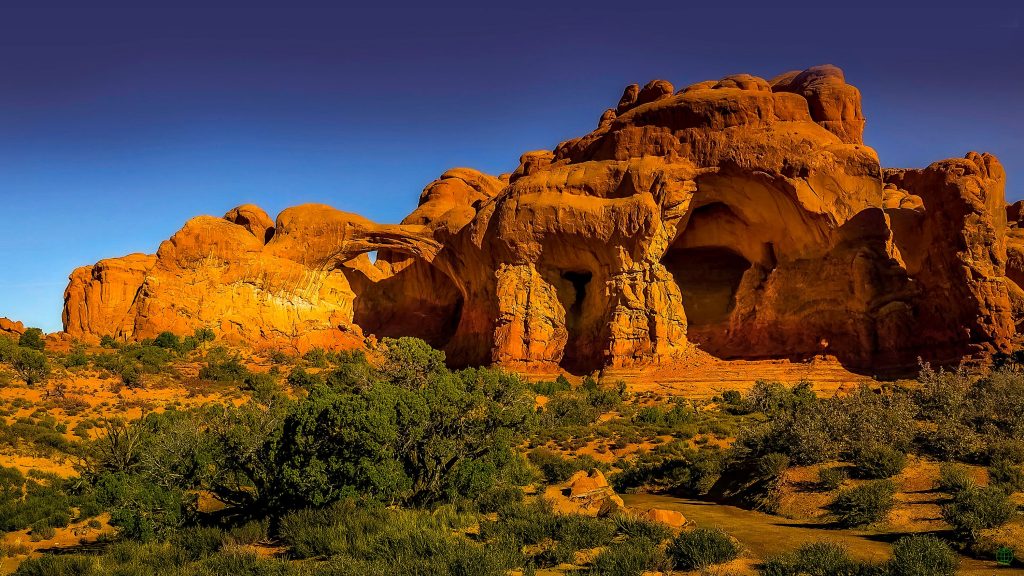
Environmental conditions strongly influence how arches national park is perceived.
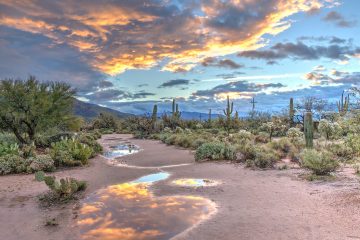
Sunlight changes the color of sandstone dramatically throughout the day. Morning light produces soft orange tones, while sunset intensifies reds and golds.
Weather also plays a role in shaping the landscape. Rainfall accelerates erosion, while temperature changes cause expansion and contraction in rock layers.
These interactions between light, weather, and geology contribute to the park’s constantly shifting appearance.
As a result, arches national park never looks exactly the same twice.
Human Perception and the Scale of Arches National Park
One of the most striking aspects of arches national park is its effect on human perception.
The scale of the formations reduces the sense of human size. Rocks appear larger and more stable than expected, while visitors feel comparatively small.
This shift in scale often leads to a stronger awareness of time and change.
Instead of focusing on individual landmarks, the park encourages attention to broader geological processes.
Arches national park is not only a visual environment. It is also a conceptual one that reshapes how natural landscapes are understood.
A Landscape Still Becoming
arches national park is not a finished landscape. It is an active system shaped by continuous geological change.
Its arches, towers, and rock formations represent temporary stages in a long process of erosion and transformation.
Nothing in the park is permanent. Everything is in motion across deep time.
This is what makes arches national park unique. It is not defined by stillness, but by slow change.
A desert made of living stone is not a metaphor for life. It is a description of time acting on matter.